
Seasonal Nail Care: Protecting Your Cuticles in Winter.
Winter brings challenges for our nails. Cold air and dry heat take away the oils we need. This makes our nails and cuticles dry and weak.
Nails are part of our skin and need moisture to stay healthy. Washing hands a lot in winter can dry them out. Keeping our cuticles moisturized helps prevent dryness and supports healthy nails.
Nail growth is slow, taking about six months. Daily care is key. Use oil and cream on damp nails, choose non-drying soap, and wear gloves. Keeping nails short and rounded also helps.
Watch for signs like peeling or irritated cuticles. Changing your routine early can prevent bigger problems. With the right care, you can keep your nails and cuticles healthy all winter.

Key Takeaways
- Cold air and indoor heat deplete oils, making nails brittle and cuticles dry.
- Apply oil and cream to damp nails after washing to lock in moisture.
- Use non-drying soap, wear gloves for chores, and keep nails short and rounded.
- Look for early signs: peeling, brittleness, and irritated cuticles.
- Consistency matters because full nail growth takes about six months.
- Balanced nutrition supports healthy nails in winter and aids recovery.
- A gentle routine centered on cuticle care improves nail protection over time.
Why cuticles suffer in cold weather and dry indoor air
Cold wind outside and forced heat inside take moisture from our skin and nails. This makes the natural oils that hold our skin together disappear faster. Without these oils, our cuticles lose their seal, making them more prone to problems.

How winter dehydration impacts nail structure and the cuticle seal
Low humidity makes our nails stiff and prone to cracks. The cuticle seal dries out, letting water and irritants in. This can irritate the skin around the nail.
Hot water and soap remove the oils that keep our nails together. Using a mild cleanser and moisturizing right away helps protect our nails from winter damage.
Temperature swings, reduced circulation, and signs of winter nail problems
Going from cold to warm air stresses our nails. Cold weather also cuts off blood flow to our fingers. This slows down the delivery of nutrients that keep our nails strong.
- Dull surface, sluggish growth, and rough edges
- More snags and splits after glove use
- Tight, flaky skin at the base where the cuticle seal should lie flat
Recognizing brittle nails, peeling, and irritated cuticles early
Look out for nails that bend and crack easily. Cuticles that look chalky or feel tender are also a sign. Thin layers lifting and flakes at the tips mean dehydration is happening.
Using humidifiers, avoiding very hot water, and protecting our hands can help. Quick care helps keep our nails healthy, even when it's hard to avoid dry cuticles in winter.
Winter nail care, Dry cuticles in winter, Repairing dry hands and nails
Cold air and hot heaters take moisture from our skin and nails. A good nail care routine helps keep moisture in. After washing, apply a few drops of oil to damp nails. Then, seal with a rich cream to moisturize dry skin.
At night, use thick ointments. Apply an occlusive and wear cotton gloves to help absorb better. This method helps repair dry hands and nails and eases dry cuticles in winter.
Choosing the right soap is key for Winter nail care. Opt for a non-drying, easy-rinse soap. Keep nails short and rounded to avoid snagging in gloves and scarves.
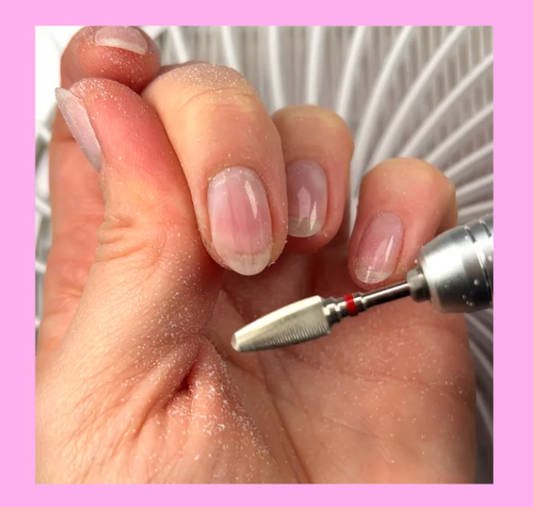
Clip and file nails after a short soak to prevent splitting. File from the sides toward the center with a fine grit. Wear rubber gloves for dishwashing and cleaning to protect against harsh chemicals and keep cuticles hydrated.
Organize your day into three steps for Repairing dry hands and nails: morning oil and cream, midday reapply after washing, and evening deep nourishment with an occlusive. Small, consistent habits can soothe dry skin and help with Dry cuticles in winter all season.

- Apply oil to damp nails, then cream to lock it in.
- Use gentle, easy-rinse soap and lukewarm water.
- Wear gloves for chores and outdoor cold.
- Keep tips short; file only when softened.
- Repeat the nail care routine morning, midday, and night.
Daily nail care routine for cold months: morning to night
Cold air and warm rooms dry out skin fast. A good nail care routine keeps cuticles flexible and strong. It helps build healthy nails in winter with small steps.
Morning hydration: apply moisturizing cuticle oil after washing
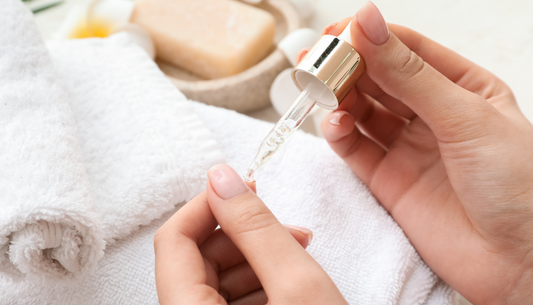
Apply cuticle oil to nails and cuticles when they're damp. This traps water and strengthens the natural seal. Then, use a rich hand cream to keep moisture in.
Opt for a light, moisturizing cuticle oil with jojoba and vitamin E. It's easy to apply and won't leave a greasy feel. This morning routine helps prevent rough edges and keeps nails healthy in winter.
Midday maintenance: reapply lightweight nourishment after handwashing
Reapply cuticle oil after washing for quick nourishment. Use non-drying soap and rinse well before applying oil. Keep a small hydrator at your desk to fight office dryness.
This habit keeps cuticles hydrated and your routine consistent. It also helps polish last longer and prevents peeling.
Evening deep nourishment: occlusive layers and cotton gloves overnight
At night, use a richer oil or ointment on nails and cuticles. Seal with a thick cream. For dryness or splitting, add an occlusive layer and wear cotton gloves.
This step gives deep nourishment and supports healthy nails while you sleep. You'll wake up with softer edges and a smoother seal.
How to protect cuticles without cutting: safe techniques that preserve the barrier
Think of the cuticle as a thin, living gasket that guards the nail plate. Smart cuticle care strengthens nail protection, helps prevent nail breakage, and supports smooth growth. This is very important in winter, when skin loses moisture fast.
Why you should never cut cuticles and how to gently push them back
Cutting slices the seal and opens paths for germs. This can spark redness and throbbing around the nail. A better way is simple: soften, then nudge.
- Soak fingertips in warm water for 3–5 minutes, or work after a shower.
- Apply a drop of oil for cuticle care, then gently push, never scrape.
- Lift only loose, white bits after softening; leave the living seal intact.
Maintaining the natural seal to prevent infections and inflammation
The seal locks out irritants and keeps the matrix calm. When kept intact, nail protection improves and you help prevent nail breakage caused by snagging edges.
- Hydrate twice daily to keep the seal flexible, even for dry cuticles in winter.
- Use mild soap and pat dry; water left under edges weakens the barrier.
- Wear gloves in cold wind to reduce moisture loss and friction.
Tools and touch: soften first, then use a wooden pusher
Tool choice matters. A wooden pusher gives controlled pressure and reduces scratching. Metal tips can be harsh, so use a light hand and keep the angle low.
- Work with minimal force—let the softening do the heavy lift.
- Follow with a thin coat of jojoba or vitamin E for ongoing cuticle care.
- Seal with a rich hand cream to boost nail protection between washes.
Key practice: soften, gently push, hydrate, and shield. This is how to protect cuticles day after day, even with dry cuticles in winter.
Hydration for cuticles: how to use cuticle oil and hand creams effectively
Cold air takes away moisture quickly. So, it's important to moisturize cuticles right after washing. Use a cuticle oil and a rich cream that moisturize without feeling sticky or shiny.
Skip alcohol-heavy formulas and harsh hardeners. These can make the nail plate dull and brittle over time. Keep a cuticle oil and a cream by your side for constant care.
Apply cuticle oil to damp nails to lock in moisture
After washing, gently blot your hands to make them slightly damp. This is the best time to use cuticle oil. Water helps the oil soak in better and prevents moisture loss.
- Roll or drop a thin line along each nail fold and the nail plate.
- Massage for 30 seconds per nail to push hydration into the seal.
- Reapply after handwashing to maintain a flexible barrier.
Jojoba oil for nails and vitamin E for cuticles: natural ingredients that mimic skin lipids
Jojoba oil for nails is like human sebum, so it fits into dry cuticles without feeling oily. Adding vitamin E helps make cuticles stronger and smoother.
Layering strategy: moisturizing cuticle oil + rich cream for deep nourishment
In winter, lotions are often too light. Start with a moisturizing cuticle oil, then add a thick cream for extra nourishment. This method strengthens the cuticle and keeps nails flexible.
- Oil on damp nails and folds; massage until the sheen softens.
- Follow with a ceramide or shea butter cream over hands and nails.
- For splits, add an occlusive balm at night under cotton gloves.
With regular use, this method keeps moisture in and prevents dryness, hangnails, and dull nails all winter.
Smart washing and filing habits that prevent nail breakage
Cold air, hot water, and rough fabrics can cause nail problems in winter. Making small changes in how you wash and shape your nails can help. These changes offer strong nail protection and prevent breakage without much effort.
Use non-drying, easy-rinse soap and avoid harsh surfactants
Opt for a gentle, easy-rinse soap without sodium lauryl sulfate. Harsh surfactants can strip your nails of moisture, leading to breakage. Rinse well, pat dry, and apply lotion to keep your skin moisturized and your nails healthy.
- Limit long soaks; wear rubber gloves for dishes and cleaning.
- Keep water lukewarm to reduce shock and enhance nail protection.
- Slip on insulated gloves outside to buffer temperature swings.
Clip and file after soaking to reduce splitting and peeling
Trim your nails after a brief soak when they are more pliable. This timing helps prevent breakage and reduces fraying at the edges.
- Clip straight, then refine with a fine-grit file.
- File from each side toward the center, never sawing back and forth.
- Finish with oil and cream to soothe dry skin around the nail.
Keep nails short and rounded to minimize snags in gloves
A short, rounded nail shape resists catches on wool cuffs and linings. It reduces stress points that can lead to cracks, a common winter nail problem.
Round the corners slightly for daily nail protection. Stick to a regular touch-up schedule and reapply moisturizer after washing. This helps soothe dry skin and prevents nail breakage.
Clean nail care with PACFE: botanical solutions for healthy nails in winter
Cold air outside and dry heat inside can dry out the cuticles fast. PACFE offers a gentle, effective way to keep nails healthy in winter. It focuses on maintaining moisture balance and resilience all season.
Powered by clarity, guided by results. PACFE combines salon expertise with modern science. This way, you can hydrate, seal, and protect your nails easily.
PACFE cuticle care philosophy: clean, natural ingredients and pacfe formula
PACFE believes in clean nail care that respects skin biology. Its formulas use natural ingredients that mimic the skin's lipids. This helps the cuticle stay flat and protect the nail matrix.
- Botanical oils cushion and seal without a greasy feel.
- Antioxidants support comfort during cold snaps and dry indoor air.
- Consistent care maintains flexibility, reducing snags and flakes.
Moisturizing cuticle oil from PACFE: how to use, when to apply, and how often
The PACFE moisturizing cuticle oil is for daily use in winter. It absorbs quickly but leaves a soft shield against frequent washing.
- Apply pacfe cuticle oil to damp nails after washing. Massage for 20–30 seconds.
- Reapply midday after handwashing to refresh the seal.
- At night, layer the moisturizing cuticle oil under a rich cream and slip on cotton gloves for deeper care.
These steps help counter winter dehydration. They ease rough edges and limit peeling without harsh methods.
Born from salon expertise: PACFE brings expert results to your daily routine
PACFE grew from years of salon practice, turning pro techniques into simple routines. Its cuticle oil and formula are based on natural ingredients. This makes your at-home care match expert standards.
- Hydrate with targeted oils that soak in where you need them.
- Seal to support the cuticle line through temperature swings.
- Protect with steady, clean nail care that fits busy days.
When done daily, this routine keeps nails supple and steady, even in deep winter.
Nutritional and lifestyle support for nail protection in winter
Healthy nails in winter begin with your diet and daily habits. Eat whole foods like fruits, vegetables, beans, nuts, and fish. These provide protein, fatty acids, and antioxidants that help your nails.
Biotin is found in eggs, almonds, and salmon. Many get enough from food, but supplements can help too.
Drinking water is key when the air gets dry from indoor heat. Keep water nearby and drink it all day. A humidifier in your bedroom adds moisture to the air, helping your hands and nails.
Stay away from sudden temperature changes. Wear gloves outside and let your skin get used to the cold before taking them off. These steps help your nails stay healthy all winter.
Protect your nails from damage. Wear gloves with liners outside and rubber ones for cleaning. Keep your nails short and smooth to avoid getting caught in gloves. File them gently after soaking, and don't cut your cuticles. This way, you can reduce stress on your nails as they grow.
Make these habits a part of your daily routine. Combine healthy eating, drinking water, and smart protection. Your hands will be better prepared for the cold. With regular care, you'll keep your nails healthy and repair dry hands and nails all winter.
FAQ
Why do cuticles get so dry in winter?
Cold air and dry heat take away the oils that keep our nails and cuticles soft. This makes them dry and weak. Washing hands a lot makes it worse, so we need to take care of our nails in winter.
How does winter dehydration impact nail structure and the cuticle seal?
Without moisture, our nails and cuticles lose their strength. This leads to more breaks and peeling. Cold weather also slows down nail growth.
What are early warning signs I should watch for?
Look for nails that break easily, peeling, dullness, slow growth, and dry cuticles. Use moisturizers and protect your nails to avoid more damage.
What daily steps help repair dry hands and nails?
Use cuticle oil and hand cream after washing. Choose gentle soap and wear gloves. Clip nails when wet to prevent breaks. Keep up with this routine for better nails.
How often should I apply cuticle oil in winter?
Apply cuticle oil three times a day. Use it in the morning, at midday, and before bed. For extra dryness, use a thick cream at night.
What’s the best way to protect cuticles without cutting them?
Never cut your cuticles. Soak them, then gently push back with a wooden tool. Remove only dead tissue. This keeps your nails healthy.
Which ingredients work best for moisturizing and protecting cuticles?
Use jojoba oil and vitamin E to keep your nails and cuticles moisturized. A mix of oil and cream helps a lot. Stay away from products with alcohol.
How do I use PACFE moisturizing cuticle oil for healthy nails in winter?
Apply PACFE oil to damp nails and cuticles after washing. Massage it in, then seal with cream. Reapply during the day. At night, use a thick cream and gloves for extra nourishment.
What makes the PACFE formula different?
PACFE uses natural ingredients to keep your nails and cuticles healthy. It's based on salon advice and helps fight dryness in winter.
What soap should I use to avoid stripping oils from nails and cuticles?
Pick a gentle, easy-rinse soap. Rinse well, then apply oil and cream while your nails are damp. This helps prevent dryness and irritation.
When and how should I clip and file to prevent nail breakage?
Clip and file after soaking or when nails are wet. This keeps them soft and less likely to split. Use a fine file and shape nails carefully.
How long before I see results from a winter nail care routine?
It takes about six months for a fingernail to grow from the cuticle to the tip. You'll see improvements in a few weeks, but consistent care is key for strong nails.
Can diet and supplements help with winter nail problems?
Yes, eating right and taking supplements can help. Include fruits, veggies, nuts, and fish in your diet. Stay hydrated and use a humidifier to fight dry air.
What habits should I avoid to keep nails healthy in winter?
Don't cut your cuticles, use harsh products, or expose your hands to water for too long. Wear gloves and avoid sudden temperature changes. Avoid filing dry nails to prevent breaks.
How do I soothe dry cuticles fast after frequent handwashing?
Pat your hands dry, then apply oil and cream. Reapply after washing. For quick relief, use an occlusive cream and gloves for 30–60 minutes.
Previous
The Complete Guide to Using Cuticle Oil Like a Pro.
Next
The Ultimate Guide to Cuticle Care & Dry Manicures